

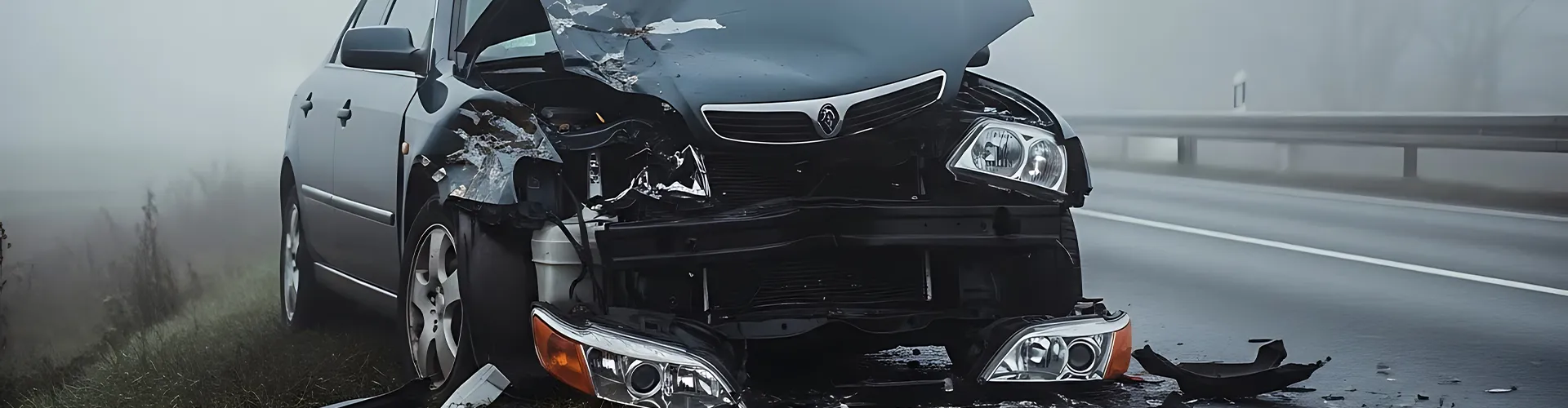
Car Crash Attorney in Sherwood Oregon: Complete Guide to Injury Claims, Insurance, Fault, and Compensation
A serious collision in Sherwood can quickly become more complicated than it first appears. What begins as vehicle damage and soreness may develop into ongoing medical treatment, missed work, insurance disputes, and uncertainty about whether an injury will fully heal.
An experienced car crash attorney in Sherwood Oregon can help investigate what happened, identify available insurance coverage, preserve evidence, document financial losses, and pursue compensation when another driver or party is legally responsible.
Sherwood presents its own traffic challenges. The city sits along Pacific Highway (OR 99W) and connects with Tualatin-Sherwood Road, two important regional corridors used by commuters, commercial vehicles, shoppers, and local residents. Oregon DMV directions for its Sherwood office specifically identify both OR 99W and Tualatin-Sherwood Road as primary routes into the area.
This guide explains the major legal and insurance issues that can affect a Sherwood car crash claim, including Oregon’s comparative-fault rules, PIP benefits, liability coverage, uninsured-motorist protection, medical damages, lost income, and lawsuit deadlines.
Featured-snippet answer: After a car crash in Sherwood, prioritize medical care, exchange information, preserve photographs and witness details, report the collision when required, and notify applicable insurers. Avoid making a final injury settlement before you understand the likely long-term effects of your injuries.
Why Sherwood Car Crash Claims Can Become Complex
Sherwood combines suburban neighborhoods with busy regional roadways and commercial activity. Drivers may encounter congestion, turning traffic, pedestrians, cyclists, delivery vehicles, school-related traffic, and vehicles entering or leaving shopping areas.
Important routes include:
- Pacific Highway / OR 99W
- Tualatin-Sherwood Road
- Oregon Street
- Roy Rogers Road
- Sunset Boulevard
- Nearby access to Interstate 5
Different roads create different crash patterns. A collision on a congested arterial may involve a rear-end impact or unsafe lane change, while an intersection crash may involve disputed right of way. Higher-speed roads can also produce more serious injuries.
A car crash case becomes particularly challenging when:
- Both drivers blame each other.
- Several vehicles are involved.
- A driver was working at the time.
- The responsible driver has inadequate insurance.
- Medical symptoms appear gradually.
- The insurer argues that injuries were preexisting.
- Video evidence exists but may be erased quickly.
These issues can affect both liability and claim value.
What Does a Car Crash Attorney in Sherwood Oregon Do?
A lawyer handling a serious motor-vehicle injury claim can perform several functions that go beyond submitting paperwork to an insurer.
Depending on the case, an attorney may:
- Investigate the collision scene.
- Review police or crash reports.
- Interview witnesses.
- Preserve photographs and video.
- Obtain medical records and billing documentation.
- Review insurance policies.
- Investigate whether additional parties share responsibility.
- Calculate lost wages and future earning losses.
- Communicate with insurance adjusters.
- Consult medical or accident-reconstruction experts.
- Negotiate a settlement.
- File a lawsuit when appropriate.
One of the most important tasks is determining whether a proposed settlement reflects not only current expenses but also future losses.
A person recovering from a fracture, concussion, spinal injury, or nerve injury may still face future treatment, work limitations, or permanent symptoms. Those consequences can materially change the value of a claim.
Common Causes of Car Crashes in Sherwood
Distracted Driving
Drivers may become distracted by:
- Text messages
- Navigation apps
- Phone calls
- Social media
- Food or drinks
- Vehicle controls
- Passengers
A distracted driver may fail to notice slowing traffic, a red light, a pedestrian, or another vehicle entering an intersection.
In a disputed case, relevant evidence can include witness statements, surveillance video, dashcam footage, or other legally obtainable records.
Speeding and Unsafe Speed
Speeding increases stopping distance and often increases the severity of impact.
A driver can also be traveling too fast for conditions even when technically below the posted speed limit. Wet pavement, low visibility, construction, congestion, and heavy traffic may require greater caution.
Following Too Closely
Rear-end crashes frequently occur when drivers do not maintain enough stopping distance.
These accidents can result in:
- Whiplash
- Back injuries
- Shoulder trauma
- Concussions
- Aggravation of previous injuries
The extent of visible vehicle damage does not by itself establish whether someone suffered an injury.
Failure to Yield
Failure-to-yield collisions can occur when drivers:
- Turn left across traffic.
- Enter OR 99W from a side street.
- Exit parking areas.
- Merge into traffic.
- Fail to yield at intersections.
- Fail to recognize pedestrians or cyclists with the right of way.
These cases can become heavily fact-dependent.
Unsafe Lane Changes
Multi-lane roads create opportunities for sideswipe and merging collisions.
Drivers may be negligent when they:
- Fail to check blind spots.
- Change lanes without adequate clearance.
- Drift between lanes.
- Merge aggressively.
- Fail to signal.
Impaired Driving
Alcohol, controlled substances, cannabis, and some medications can impair reaction time, coordination, perception, and judgment.
When impairment contributes to a crash, evidence from a related criminal investigation may also become important in a civil injury claim.
Types of Car Crash Cases in Sherwood
Rear-End Collisions
Rear-end crashes are common in congestion and at traffic signals.
Although some are relatively minor, others cause substantial neck, back, head, and shoulder injuries.
Intersection Crashes
Intersection collisions often involve competing accounts of which driver had a green light or right of way.
Potential evidence includes:
- Witness testimony
- Traffic-camera or surveillance footage
- Dashcam recordings
- Vehicle damage patterns
- Road markings
- Scene photographs
T-Bone Accidents
Side-impact collisions can be especially dangerous because there is less protective space between an occupant and the point of impact.
Potential injuries include fractures, traumatic brain injuries, internal trauma, and spinal injuries.
Head-On Collisions
Head-on crashes can produce catastrophic injuries because the combined forces are substantial.
Possible causes include:
- Distracted driving
- Impairment
- Fatigue
- Unsafe passing
- Loss of vehicle control
Multi-Vehicle Crashes
Chain-reaction collisions can involve complex disputes over who caused the first impact and whether later drivers contributed.
Oregon’s comparative-fault system makes accurate fault allocation particularly important in these cases.
Rideshare and Delivery Accidents
Collisions involving rideshare or delivery drivers may create additional insurance questions.
Coverage can depend on the driver’s status, the vehicle being used, and whether a commercial or platform-related policy applies.
Oregon Comparative Fault Law
Oregon follows a modified comparative-fault system.
Under ORS 31.600, an injured claimant’s negligence does not automatically bar recovery if the claimant’s fault is not greater than the combined fault of the qualifying other parties. Any damages awarded are reduced according to the claimant’s percentage of fault.
For example, suppose a Sherwood crash victim proves total damages of $250,000 but is found 20% responsible.
The calculation would be:
$250,000 × 80% = $200,000
That makes fault evidence extremely important.
An insurer may attempt to shift part of the blame to the injured person by alleging that the person was:
- Speeding
- Distracted
- Following too closely
- Failing to brake
- Making an unsafe maneuver
Even a relatively small fault percentage can reduce the final recovery.
Oregon Auto Insurance Requirements
Oregon requires motorists to carry minimum automobile insurance.
Current Oregon DMV requirements include:
- $25,000 bodily injury liability per person
- $50,000 bodily injury liability per crash
- $20,000 property damage liability per crash
- $15,000 Personal Injury Protection per person
- $25,000/$50,000 uninsured-motorist bodily injury coverage
These figures are minimum limits.
A driver may carry greater coverage, and additional policies may sometimes apply. That distinction becomes particularly important when an accident causes catastrophic injuries because minimum insurance may be far below the true value of medical care, lost income, and permanent impairment.
How Oregon PIP Works After a Sherwood Car Crash
Personal Injury Protection, or PIP, is an important part of Oregon automobile coverage.
Oregon DMV explains that minimum PIP provides $15,000 per person for qualifying reasonable and necessary expenses incurred within two years after the injury.
Oregon’s Division of Financial Regulation likewise explains that PIP pays reasonable and necessary accident-related medical expenses up to the policy’s applicable limit.
This is significant because PIP can provide benefits before final liability is resolved.
PIP should not be confused with a liability settlement against an at-fault driver. A claim can involve both:
- First-party benefits available under an applicable insurance policy.
- Third-party damages sought from a negligent driver or another responsible party.
Understanding those different sources of compensation can be essential in a serious injury claim.
What If the Other Driver Is Uninsured?
Oregon requires uninsured-motorist bodily injury coverage with minimum limits of $25,000 per person and $50,000 per crash.
This coverage may become important when:
- The responsible driver has no insurance.
- The responsible driver’s policy is insufficient for the injuries.
- Coverage is disputed.
The existence of UM or UIM coverage does not necessarily eliminate disputes, but it can provide an important additional source of recovery.
What Compensation May Be Available?
Compensation depends on the evidence, liability, insurance coverage, and severity of the injuries.
Medical Expenses
Potential recoverable medical costs can include:
- Ambulance transportation
- Emergency care
- Hospitalization
- Diagnostic imaging
- Surgery
- Specialist treatment
- Physical therapy
- Prescription medication
- Rehabilitation
- Future medical treatment
For serious injuries, future medical costs may exceed bills already incurred.
Lost Wages
An injured person may be unable to work for days, weeks, or months.
Evidence of lost income can include:
- Pay stubs
- Employer statements
- Tax records
- Work schedules
- Medical restrictions
Reduced Future Earning Capacity
Some injuries permanently affect the type or amount of work a person can perform.
This can occur even when the victim eventually returns to employment.
For example, a worker with a permanent spinal injury may no longer be able to perform physically demanding work or overtime, leading to years of reduced income.
Property Damage
Vehicle-related losses may include:
- Repair costs
- Total-loss value
- Towing
- Storage
- Other damaged property
Pain and Suffering
Non-economic damages may address consequences such as:
- Physical pain
- Emotional distress
- Loss of mobility
- Sleep problems
- Reduced independence
- Inability to enjoy hobbies
- Disruption of family life
These damages do not have a fixed formula and should be supported by credible evidence.
Common Injuries After a Sherwood Car Crash
Whiplash and Neck Injuries
Whiplash often occurs in rear impacts.
Symptoms may include:
- Neck pain
- Headaches
- Stiffness
- Shoulder pain
- Reduced range of motion
Traumatic Brain Injuries
A concussion can occur even without loss of consciousness.
Possible symptoms include:
- Headaches
- Dizziness
- Difficulty concentrating
- Memory problems
- Light sensitivity
- Sleep disturbances
- Mood changes
Persistent symptoms should receive appropriate medical evaluation.
Back and Spinal Injuries
Crashes can cause:
- Herniated discs
- Vertebral fractures
- Nerve injuries
- Soft-tissue trauma
- Spinal cord injuries
Severe spinal injuries can permanently affect mobility and independence.
Broken Bones
Fractures may involve:
- Wrists
- Arms
- Legs
- Ribs
- Hips
- Facial bones
Recovery can involve surgery, immobilization, rehabilitation, and time away from work.
Internal Injuries
Internal bleeding and organ injuries may not always be obvious immediately after a crash.
Significant pain, dizziness, breathing problems, or other concerning symptoms warrant prompt medical attention.
Psychological Injuries
A serious collision can also produce:
- Anxiety
- Depression
- Driving-related fear
- Sleep disruption
- Post-traumatic stress symptoms
Psychological harm can be relevant to damages when supported by appropriate evidence.
What to Do After a Car Crash in Sherwood Oregon
1. Address Immediate Safety
Move away from traffic hazards when it is safe and medically appropriate.
Call emergency services when necessary.
2. Seek Medical Attention
Do not dismiss symptoms simply because they seem mild at first.
Adrenaline and shock can temporarily mask pain.
3. Photograph the Scene
When safely possible, document:
- All vehicles
- Damage from several angles
- Roadway conditions
- Traffic signs and signals
- Vehicle positions
- Debris
- Skid marks
- Weather conditions
4. Obtain Witness Information
Independent witnesses can be especially important when liability is disputed.
5. Preserve Records
Keep copies of:
- Medical bills
- Medical records
- Prescriptions
- Wage documentation
- Repair estimates
- Insurance letters
- Photographs
- Towing receipts
Organized documentation helps show how the collision affected you financially and medically.
6. Be Careful With Recorded Statements
An insurance adjuster may ask for a recorded statement.
Whether you are required to provide information depends on the insurer, your policy, and the circumstances. Before giving detailed statements to another driver’s insurer, it can be useful to understand your legal position.
7. Avoid Premature Settlement
A quick settlement may appear attractive when bills are accumulating.
The problem is that early in the recovery process you may not know:
- Whether surgery will be needed.
- Whether symptoms will become permanent.
- How long you will miss work.
- Whether you can return to the same occupation.
- What future rehabilitation will cost.
A final settlement generally deserves careful consideration before the full medical prognosis is known.
How Insurance Companies Evaluate Sherwood Car Crash Claims
Insurance adjusters commonly evaluate:
- Liability
- Police documentation
- Witness statements
- Vehicle damage
- Medical diagnosis
- Treatment history
- Treatment gaps
- Prior medical conditions
- Lost wages
- Comparative fault
- Available policy limits
One frequent dispute concerns preexisting injuries.
An insurer may argue that current neck or back pain existed before the crash. That does not automatically defeat a claim. The relevant medical issue may be whether the collision caused a new injury or aggravated an existing condition.
Strong medical documentation is particularly important in these cases.
Oregon Personal Injury Filing Deadline
Oregon law generally provides a two-year limitation period for actions involving injury to a person under ORS 12.110, though the exact deadline can depend on the type of claim and circumstances.
Different procedural rules or deadlines can apply when a claim involves:
- A public body
- Wrongful death
- Certain defendants
- Minors
- Other legally significant circumstances
A filing deadline should never be assumed based solely on a general article.
Evidence can also disappear much sooner than the legal deadline, so waiting can create practical problems even when time technically remains.
How a Car Crash Attorney Builds a Strong Case
A strong car crash claim usually connects three major elements:
Liability → Causation → Damages
Liability
Who caused the crash?
Evidence might include:
- Witnesses
- Video
- Police records
- Scene photographs
- Vehicle damage
- Accident reconstruction
Causation
Did the collision cause or aggravate the claimed injuries?
Medical records and professional opinions are often central.
Damages
What losses resulted?
Evidence may include:
- Medical bills
- Wage records
- Employment restrictions
- Expert projections
- Rehabilitation needs
- Testimony about quality-of-life changes
For severe injuries, attorneys may work with physicians, economists, vocational experts, accident reconstruction specialists, and life-care planners.
Frequently Asked Questions About Sherwood Car Crash Claims
Can I recover compensation if I was partly at fault?
Potentially. Oregon allows recovery when the claimant’s fault is not greater than the combined qualifying fault of the other parties, but damages are reduced by the claimant’s percentage of responsibility.
Does Oregon PIP pay medical bills regardless of fault?
PIP is designed to provide qualifying first-party benefits and Oregon requires at least $15,000 in minimum PIP coverage. It pays reasonable and necessary covered medical expenses within the applicable time and policy limits.
What if my medical bills exceed $15,000?
The minimum PIP amount is $15,000, although some policies carry higher limits. Other sources of payment or recovery may include health insurance, additional auto coverage, or a liability claim depending on the circumstances.
Can a low-speed crash still cause an injury?
Yes. Vehicle speed and visible property damage are only part of the medical analysis. Whether a collision caused an injury should be evaluated using medical evidence and the specific crash circumstances.
What if I did not feel pain until the following day?
Some symptoms become more noticeable after the initial stress response subsides. Seek appropriate medical evaluation and accurately explain when the symptoms began.
What if the driver who hit me was working?
An employer or other business entity may sometimes become relevant depending on the driver’s employment status, scope of work, vehicle ownership, and other facts. These cases may involve additional insurance coverage and legal issues.
What if the crash involved a government-owned vehicle?
Government-related claims can have special procedural requirements and deadlines. Prompt individualized legal advice is particularly important because ordinary personal-injury timelines may not tell the whole story.
Choosing a Car Crash Attorney in Sherwood Oregon
Useful questions to ask a prospective attorney include:
- How much of your practice involves motor-vehicle injury cases?
- Do you regularly handle Oregon accident claims?
- Who will actually manage my file?
- How do you evaluate future medical and wage losses?
- Do you have access to accident reconstruction and medical experts?
- Are you prepared to litigate if settlement negotiations fail?
- How are attorney fees calculated?
- How are case expenses handled?
- How frequently will I receive updates?
A prospective client should carefully understand the fee agreement before retaining counsel.
Final Thoughts: Protecting a Sherwood Car Crash Claim
A serious collision can create financial and medical consequences that continue long after damaged vehicles are removed from the road.
The strongest claims are generally built through prompt medical care, accurate documentation, preserved evidence, careful insurance analysis, and a realistic assessment of future damages.
Oregon requires minimum liability, PIP, and uninsured-motorist coverage, while its comparative-fault statute can reduce an injured person’s recovery when responsibility is shared.
An experienced car crash attorney in Sherwood Oregon can investigate liability, identify relevant insurance coverage, preserve critical evidence, document economic and non-economic losses, negotiate with insurers, and determine whether litigation is appropriate.
The goal should not simply be obtaining the fastest settlement. It should be understanding the full consequences of the collision before making decisions that permanently resolve the claim.
