

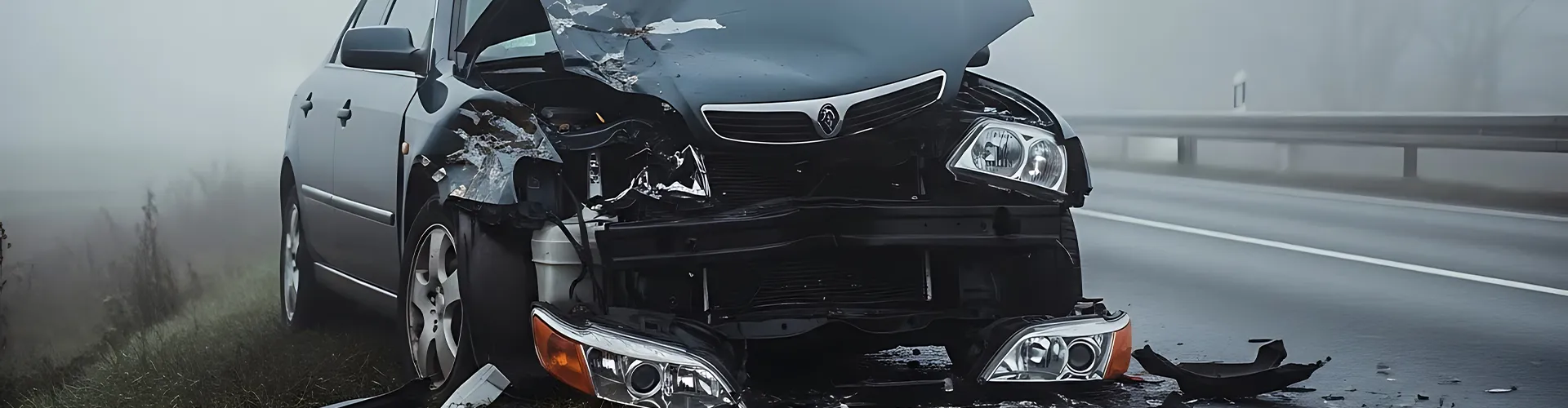
Car Accident Lawyer in Tualatin Oregon: Complete Guide to Injury Claims, PIP Insurance, Fault, and Compensation
A serious car accident in Tualatin can create medical, financial, and legal problems that continue long after the vehicles are removed from the roadway. Emergency-room treatment may be followed by specialist visits, physical therapy, missed work, vehicle repairs, and repeated conversations with insurance adjusters.
When another driver’s negligence contributes to a crash, an experienced car accident lawyer in Tualatin Oregon can help investigate liability, preserve evidence, identify applicable insurance coverage, calculate damages, and negotiate with insurers.
Tualatin’s transportation network makes local accident claims particularly diverse. The city sits along Interstate 5 between Interstate 205, Highway 99W, and Highway 217, and city materials identify major routes such as Tualatin-Sherwood Road, Boones Ferry Road, 124th Avenue, Martinazzi Avenue, and Borland Road. The city also describes the I-5/Tualatin-Sherwood Road junction as its busiest intersection.
That combination of freeway traffic, commercial vehicles, commuters, cyclists, pedestrians, and busy signalized intersections creates accident scenarios ranging from routine rear-end collisions to severe multi-vehicle crashes.
Quick answer: After a Tualatin car accident, obtain appropriate medical care, preserve photographs and witness information, report the collision when legally required, notify applicable insurers, and avoid accepting a final injury settlement before the likely long-term effects of your injuries are reasonably understood.
Why Car Accident Claims in Tualatin Can Become Complicated
Tualatin sits at an important transportation crossroads in the southern Portland metropolitan area. Interstate traffic mixes with local commuters, commercial deliveries, shopping traffic, school transportation, cyclists, and pedestrians.
The city has also invested in congestion and traffic-safety improvements. Its transportation program has addressed locations including the I-5/Tualatin-Sherwood Road junction and the Martinazzi Avenue/Sagert Street intersection, reflecting the importance of traffic management in these areas.
A car accident claim can become complicated when:
- The drivers disagree about fault.
- Several vehicles are involved.
- A commercial or work vehicle caused the crash.
- The at-fault driver carries only minimum insurance.
- Injuries develop or worsen after the collision.
- An insurer argues that symptoms existed before the crash.
- A government vehicle or roadway issue is involved.
- Available video footage may be deleted if not preserved quickly.
These issues can affect both whether compensation is available and how much a claim may ultimately be worth.
What Does a Car Accident Lawyer in Tualatin Oregon Do?
A car accident attorney’s role extends well beyond completing insurance forms.
Depending on the circumstances, legal work may include:
- Reviewing police and collision reports
- Investigating the accident scene
- Interviewing witnesses
- Preserving dashcam or surveillance footage
- Collecting photographs
- Reviewing medical records and bills
- Identifying all applicable insurance policies
- Investigating disputed liability
- Calculating lost income
- Evaluating diminished earning capacity
- Documenting future medical expenses
- Communicating with insurance adjusters
- Working with appropriate experts
- Negotiating a settlement
- Filing a lawsuit when necessary
For a serious injury, one of the most important tasks is determining the full value of the claim before the injured person signs a final release.
A claim involving a concussion, spinal injury, complex fracture, permanent nerve damage, or long-term disability may be worth significantly more than the medical bills accumulated during the first few weeks after the crash.
Common Causes of Car Accidents in Tualatin
Distracted Driving
Driver distraction can involve:
- Texting
- Phone calls
- Navigation apps
- Social media
- Eating or drinking
- Reaching for objects
- Adjusting vehicle controls
- Passenger distractions
A few seconds of inattention may be enough for a driver to miss slowing traffic, a red signal, a pedestrian, or a vehicle changing lanes.
Evidence may include witnesses, video footage, driver statements, and other legally obtainable records.
Following Too Closely
Congested corridors and stop-and-go traffic increase the risk of rear-end collisions.
A driver who fails to maintain enough stopping distance may be unable to react when traffic suddenly slows.
Rear-end crashes commonly produce:
- Neck injuries
- Back injuries
- Shoulder trauma
- Head injuries
- Aggravation of existing conditions
Visible vehicle damage alone does not establish whether someone suffered a medically significant injury.
Speeding or Driving Too Fast for Conditions
Speed increases stopping distance and collision forces.
A motorist can also be driving unsafely even when below the posted speed limit. Rain, traffic congestion, poor visibility, construction, or road conditions may require a slower speed.
Failure to Yield
Failure-to-yield crashes may occur when drivers:
- Turn left across traffic.
- Enter a major road from a side street.
- Exit parking lots.
- Merge onto I-5.
- Enter or leave shopping areas.
- Fail to yield to pedestrians or cyclists.
These claims can become difficult when the parties disagree over right of way.
Unsafe Lane Changes
Multi-lane roads and freeway connections create opportunities for sideswipe and merging collisions.
Unsafe lane changes can involve:
- Failure to check blind spots
- Insufficient clearance
- Failure to signal
- Aggressive merging
- Lane drifting
Dashcam footage or independent witnesses may be especially important when both drivers blame each other.
Impaired Driving
Alcohol, cannabis, controlled substances, and some medications can impair:
- Reaction time
- Judgment
- Coordination
- Perception
A related criminal investigation may produce evidence relevant to a civil injury case.
Fatigued Driving
Drowsiness can reduce reaction time and decision-making ability.
Fatigue may be especially relevant in crashes involving:
- Commercial drivers
- Long-distance motorists
- Night-shift workers
- Delivery drivers
Common Types of Tualatin Car Accident Cases
Rear-End Collisions
Rear-end crashes frequently occur in congested traffic and at signalized intersections.
Although some cause only minor damage, others result in significant neck, back, shoulder, or head injuries.
Intersection Crashes
Intersection accidents may involve disputes about:
- Traffic-light color
- Stop signs
- Right of way
- Turning movements
- Vehicle speed
Useful evidence may include witness testimony, dashcam video, nearby surveillance footage, physical vehicle damage, and road markings.
T-Bone Accidents
Side-impact crashes can cause serious injuries because the side of a passenger vehicle provides less protective space than the front or rear.
Potential injuries include:
- Fractures
- Brain injuries
- Spinal trauma
- Internal injuries
Multi-Vehicle Collisions
Chain-reaction crashes create difficult questions about which driver caused each impact.
More than one person may share legal responsibility.
These cases make Oregon’s comparative-fault rules particularly important.
Freeway Accidents
Crashes on or near Interstate 5 may involve:
- Higher speeds
- Multiple lanes
- Commercial trucks
- Merging traffic
- Chain-reaction impacts
The greater collision forces can increase the likelihood of severe injuries.
Rideshare and Delivery Accidents
If a rideshare, delivery, or company driver causes a collision while working, additional insurance or employer-related issues may arise.
The driver’s work status at the time can become important when identifying available coverage.
Oregon Uses Modified Comparative Fault
Oregon follows a modified comparative negligence system.
ORS 31.600 states that a claimant’s negligence does not bar recovery when the claimant’s fault is not greater than the combined fault of the qualifying other parties. Any damages awarded are then reduced in proportion to the claimant’s percentage of fault.
For example, suppose an injured person establishes $400,000 in total damages but is found 25% responsible for the collision.
The adjusted damages would be:
$400,000 × 75% = $300,000
That illustrates why evidence concerning fault can have a substantial financial impact.
An insurance company may try to reduce its exposure by arguing that the injured person:
- Was speeding.
- Failed to brake.
- Was distracted.
- Changed lanes unsafely.
- Failed to yield.
- Was following too closely.
Even when another driver clearly contributed to the collision, comparative-fault allegations should be taken seriously.
Oregon Auto Insurance Requirements
Oregon DMV currently lists the following minimum automobile insurance requirements:
- $25,000 bodily injury liability per person
- $50,000 bodily injury liability per crash
- $20,000 property damage liability per crash
- $15,000 Personal Injury Protection per person
- $25,000/$50,000 uninsured-motorist bodily injury coverage
These are only minimum requirements.
Some motorists carry higher limits, while serious crashes can produce damages far above the statutory minimums.
For example, hospitalization, surgery, rehabilitation, lost income, and permanent disability can rapidly create losses exceeding a $25,000 bodily injury policy.
That makes a complete investigation of all potentially available insurance coverage especially important in severe injury cases.
How Oregon PIP Works After a Tualatin Car Accident
Oregon requires Personal Injury Protection, commonly called PIP.
Oregon DMV states that minimum PIP coverage provides $15,000 per person for reasonable and necessary qualifying expenses incurred within two years following the injury.
PIP can help address medical expenses without waiting for final determination of who caused the collision.
This does not mean Oregon eliminates fault-based claims.
A serious car accident may involve both:
First-party benefits — such as PIP benefits available through an applicable automobile policy.
Third-party liability compensation — damages pursued from a driver, employer, company, or other party legally responsible for the crash.
Understanding these two categories can make the insurance process significantly easier to navigate.
What Happens if the Other Driver Has No Insurance?
Oregon requires uninsured-motorist bodily injury coverage of at least:
- $25,000 per person
- $50,000 per crash
Uninsured or underinsured motorist coverage may become important if:
- The other driver has no policy.
- The other driver’s coverage is insufficient.
- The liable insurer disputes coverage.
- Serious injuries exceed available liability limits.
A comprehensive claim analysis should therefore look beyond the at-fault driver’s insurance card.
What Compensation May Be Available After a Tualatin Car Accident?
No two accident claims have the same value.
Compensation depends on factors including the severity of the injuries, available insurance, lost income, medical evidence, fault allocation, and long-term prognosis.
Medical Expenses
Potential medical damages can include:
- Ambulance transportation
- Emergency-room care
- Hospitalization
- Imaging
- Surgery
- Specialist treatment
- Physical therapy
- Medication
- Rehabilitation
- Future medical care
In serious cases, future medical treatment can represent one of the largest portions of the claim.
Lost Wages
If an injury prevents someone from working, the person may have a claim for lost income.
Evidence can include:
- Pay stubs
- Employer records
- Tax documentation
- Work schedules
- Medical restrictions
Reduced Future Earning Capacity
An injury may permanently affect someone’s ability to earn income even after returning to work.
For example, a worker with a serious back injury may no longer be capable of heavy lifting, climbing, or overtime work.
That difference between what the person would probably have earned and what the person can now earn can become an important component of damages.
Property Damage
Property-related losses may include:
- Vehicle repairs
- Total-loss value
- Towing
- Storage
- Damage to personal property
Pain and Suffering
Non-economic damages may address consequences such as:
- Physical pain
- Emotional distress
- Sleep disruption
- Reduced mobility
- Loss of independence
- Difficulty enjoying hobbies
- Changes in family or social activities
These damages do not have one universal formula.
The duration and documented impact of the injury matter.
Common Injuries After Car Accidents
Whiplash and Neck Injuries
Whiplash frequently occurs during rear impacts.
Symptoms may include:
- Neck pain
- Headaches
- Stiffness
- Shoulder discomfort
- Limited range of motion
Some symptoms become more noticeable several hours after the collision.
Traumatic Brain Injuries
A concussion can occur even when there is no loss of consciousness.
Possible symptoms include:
- Headaches
- Dizziness
- Memory problems
- Difficulty concentrating
- Light sensitivity
- Sleep changes
- Mood changes
Persistent neurological symptoms warrant appropriate medical evaluation.
Back and Spinal Injuries
Vehicle crashes can cause:
- Herniated or damaged discs
- Vertebral fractures
- Nerve injuries
- Soft-tissue damage
- Spinal cord trauma
Severe spinal injuries may permanently affect mobility, employment, and independence.
Broken Bones
Common fractures may involve:
- Wrists
- Arms
- Legs
- Ribs
- Hips
- Facial bones
Complex fractures can require surgery and lengthy rehabilitation.
Internal Injuries
Organ damage and internal bleeding may not always produce obvious external injuries.
Significant abdominal pain, dizziness, breathing difficulty, or other concerning symptoms should be evaluated promptly.
Psychological Trauma
A severe collision can also cause emotional and psychological harm, including:
- Anxiety
- Depression
- Fear of driving
- Sleep disturbance
- Post-traumatic stress symptoms
When adequately documented, these consequences can be relevant to an injury claim.
What to Do After a Car Accident in Tualatin Oregon
1. Prioritize Safety
Move away from active traffic if it is safe and medically appropriate.
Contact emergency services when necessary.
2. Seek Medical Evaluation
Do not assume that an injury is insignificant simply because symptoms are mild immediately after the crash.
Shock and adrenaline can temporarily mask pain.
3. Photograph the Scene
If safely possible, photograph:
- Every vehicle involved
- Damage from several angles
- Vehicle positions
- Traffic signals
- Road markings
- Debris
- Skid marks
- Weather and visibility conditions
These details can disappear quickly once the scene is cleared.
4. Gather Witness Information
Independent witnesses may become crucial when the drivers provide conflicting versions of what happened.
5. Preserve Documents
Keep an organized file containing:
- Medical bills
- Medical records
- Prescriptions
- Wage documentation
- Repair estimates
- Towing receipts
- Insurance correspondence
- Photographs
Good records can make it easier to demonstrate the true financial and medical effects of the crash.
6. Use Caution With Recorded Statements
Insurance adjusters frequently request recorded statements.
Whether you are contractually required to cooperate may depend on which insurer is asking, the policy terms, and the circumstances.
Before giving a detailed recorded account—particularly to another driver’s insurer—it can be useful to understand your obligations.
7. Do Not Rush Into a Final Settlement
A quick settlement can appear attractive when bills are accumulating.
However, early in recovery you may not know:
- Whether surgery will be required.
- Whether symptoms will become permanent.
- How long treatment will continue.
- How much work you will miss.
- Whether your earning ability has changed.
- What future medical care will cost.
A final release can have lasting consequences, so serious injury claims should be evaluated with an adequate understanding of the likely prognosis.
How Insurance Companies Evaluate Car Accident Claims
Insurance adjusters typically examine both liability and damages.
Relevant factors may include:
- Police documentation
- Witness statements
- Vehicle damage
- Photographs
- Medical diagnosis
- Treatment history
- Treatment gaps
- Prior medical conditions
- Lost wages
- Comparative-fault allegations
- Applicable policy limits
One common dispute concerns preexisting conditions.
Suppose someone had occasional neck pain before the accident. The insurer may argue that all post-crash treatment relates to the earlier condition.
That does not automatically resolve the issue.
The relevant medical question can be whether the collision caused a new injury or materially aggravated the prior condition.
Medical documentation becomes particularly important in such cases.
Oregon’s Personal Injury Filing Deadline
ORS 12.110 generally requires an action for injury to a person or qualifying rights of another to be commenced within two years.
However, the precise deadline can vary depending on the facts and legal theory.
Different rules can arise in cases involving:
- Public entities
- Wrongful death
- Minors
- Certain defendants
- Other special circumstances
It is also important to distinguish a legal deadline from an evidence-preservation deadline.
Surveillance video may be deleted within days or weeks. Vehicles may be repaired. Witness memories can fade. That means waiting can weaken a case even when substantial time remains under the statute of limitations.
Why Government-Related Accidents Require Extra Attention
Tualatin’s road network involves several different agencies.
For example, the city states that traffic signals are maintained primarily by Washington County, while certain signals involving I-5 and Highway 99W are maintained by ODOT.
This can matter when a claim involves allegations concerning:
- A government vehicle
- Road maintenance
- Traffic-signal operation
- Road construction
- Another public-body responsibility
Public-entity cases can involve special notice requirements and procedural rules. They should not be treated as ordinary private-driver claims without analyzing the applicable law.
How a Car Accident Lawyer Builds a Strong Tualatin Claim
A well-supported car accident case generally connects three major elements:
Liability → Causation → Damages
Liability: Who Caused the Crash?
Evidence may include:
- Witness statements
- Police reports
- Dashcam footage
- Surveillance video
- Scene photographs
- Vehicle damage
- Accident reconstruction
Causation: Did the Crash Cause the Injuries?
Medical records and professional medical opinions are often central.
The goal is to connect the collision to the injuries or aggravation being claimed.
Damages: What Did the Injuries Cost?
Evidence can include:
- Medical expenses
- Wage records
- Employment restrictions
- Future treatment estimates
- Vocational analysis
- Economic projections
- Documentation of quality-of-life changes
For catastrophic injuries, attorneys may consult physicians, accident-reconstruction specialists, economists, vocational experts, or life-care planners.
Frequently Asked Questions About Tualatin Car Accident Claims
Can I recover compensation if I was partly responsible for the crash?
Potentially. Oregon’s comparative-fault law allows recovery when the claimant’s fault is not greater than the combined qualifying fault of the other parties. The claimant’s damages are then reduced by the percentage of fault attributed to that person.
Does Oregon PIP cover me even if the accident was my fault?
PIP is designed as first-party coverage and can provide qualifying benefits without waiting for a final liability determination. Oregon requires at least $15,000 in PIP coverage per person.
What if my injuries are worth more than the other driver’s insurance?
Additional coverage may sometimes exist. Potential sources can include higher liability limits, uninsured or underinsured motorist coverage, employer or commercial coverage, or another responsible party’s policy depending on the facts.
Can I pursue a claim if I did not go to the emergency room?
Failure to use an ambulance or visit an emergency room does not automatically eliminate an injury claim. However, unexplained treatment delays can create disputes about causation, so injured people should seek appropriate medical evaluation when symptoms warrant it.
What if the crash happened while the other driver was working?
A driver’s employer or another business entity may sometimes become legally relevant depending on the employment relationship, scope of work, vehicle ownership, and other circumstances.
What if I had previous back problems?
A preexisting condition does not necessarily eliminate a claim. The relevant issue may be whether the collision caused a new injury or aggravated the existing condition.
Who is responsible if a malfunctioning traffic signal contributed to my accident?
Responsibility can depend on which public agency owns or maintains the signal, the nature of the malfunction, applicable immunity rules, notice requirements, and other facts. Tualatin states that most local traffic signals are maintained by Washington County, while certain locations are maintained by ODOT.
Is the I-5/Tualatin-Sherwood Road area especially important for local traffic?
Yes. The City of Tualatin has described the I-5/Tualatin-Sherwood Road junction as the city’s busiest intersection and has identified it as a focus of transportation congestion improvements.
Choosing a Car Accident Lawyer in Tualatin Oregon
When comparing legal representation, consider asking:
- How much of your practice involves automobile injury cases?
- Do you regularly handle Oregon personal injury claims?
- Who will manage my case?
- How do you investigate disputed liability?
- How do you evaluate future medical care?
- How do you calculate diminished earning capacity?
- Does your firm retain experts when necessary?
- Are you prepared to file a lawsuit if settlement negotiations fail?
- How are attorney fees calculated?
- How are litigation costs handled?
- How frequently will I receive updates?
A prospective client should carefully review and understand the representation agreement before retaining counsel.
Final Thoughts: Protecting a Tualatin Car Accident Claim
A serious car collision can affect far more than transportation.
Injuries can interfere with employment, family responsibilities, mobility, sleep, finances, and long-term independence. At the same time, Oregon’s comparative-fault and insurance rules can make the claim considerably more complicated than simply sending medical bills to the other driver’s insurer.
Oregon currently requires minimum liability, PIP, and uninsured-motorist coverage, while ORS 31.600 reduces compensation according to an injured person’s percentage of fault when responsibility is shared.
An experienced car accident lawyer in Tualatin Oregon can investigate liability, preserve evidence, identify applicable insurance, document medical and financial losses, negotiate with insurers, and determine whether litigation is necessary.
The objective of a serious injury claim should not merely be obtaining the fastest possible settlement. It should be reaching a resolution based on an informed understanding of the collision’s full medical, financial, and long-term consequences.
